Learn About PFAS
Forever Chemicals in West Virginia
Many people are unfamiliar with “forever chemicals,” a term used to describe a class of synthetic compounds that do not break down in the environment.
Commonly referred to as PFAS (per- and polyfluoroalkyl substances), these chemicals are bioaccumulative and have been linked to significant environmental and public health harm.
PFAS are found in a wide range of everyday consumer products and have increasingly been detected in both public and private drinking water sources. Because these chemicals are bioaccumulative and persistent, they build up in the human body and move through the food chain over time. As a result, children and wildlife often carry higher concentrations, and top predators are especially affected. Research has linked PFAS exposure—along with other pollutants—to reproductive and health impacts in species such as orcas. These chemicals persist in the environment far longer than the communities they affect.
Ohio Valley Environmental Advocates is committed to providing accurate, science-based information about forever chemicals and to advocating for the government funding, policy action, and community engagement needed to reduce exposure, protect public health, and safeguard environmental resources.
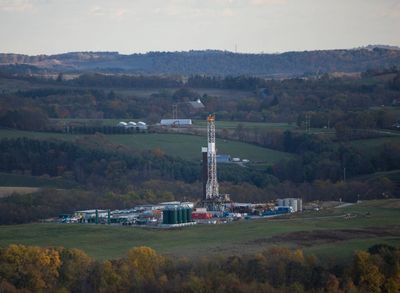
Fracking uses forever chemicals

Annual Review of Chemical Safety Legislation
Lessons From State Chemical Policy Across the Country
Safer States released its annual review of chemical safety legislation introduced across U.S. states this session. For the first time, the report also highlights major laws scheduled to take effect in 2026—offering a clearer picture of how earlier policy efforts are now translating into real-world protections.
Policies are moving from passage to real impact.
At least 15 state laws are set to take effect in 2026, including sweeping regulations on PFAS “forever chemicals” and limits on bisphenols in products like receipts and children’s feeding items. Many of these laws break new ground by regulating entire classes of chemicals and requiring transparency around PFAS use in consumer goods. The result: manufacturers are already changing product formulations nationwide, underscoring how state leadership can drive market-wide change.
PFAS regulation is reshaping chemical policy.
States are increasingly regulating PFAS as a chemical class rather than one compound at a time—an approach that addresses the full lifecycle of these substances. Policies now span product bans, disclosure requirements, controls on industrial discharges, and oversight of sludge management. This class-based model is influencing how states approach other hazardous chemicals, including bisphenols and phthalates.
Plastics are being addressed as a public health issue.
More states are treating plastics not just as a waste problem, but as a source of toxic chemical and microplastic exposure—particularly in items people eat from, wear, or use daily. Proposed 2026 policies focus on toxic additives, microplastics, highly hazardous plastics, and unnecessary single-use products, especially in packaging. This upstream prevention strategy aims to stop harm before pollution occurs, rather than managing it after the fact.
Stronger protections for products used on the body.
States are accelerating safeguards for cosmetics, personal care items, and menstrual products—goods that come into frequent, direct contact with the body. Building on leadership from states such as Washington, California, Oregon, and Vermont, these efforts reflect growing recognition that everyday products should not expose people to avoidable toxins. The policies also respond to equity concerns, as women of color are disproportionately marketed products containing higher levels of dangerous chemicals.
Explore the Full State-by-State Analysis
Across the country, states are experimenting with new ways to regulate toxic chemicals, plastics, and everyday consumer products—often stepping in where federal policy falls short. This analysis examines which approaches are emerging, what’s taking effect in 2026, and how class-based regulation is reshaping chemical policy nationwide. Understanding these models helps clarify what protections are possible—and what lessons apply locally.